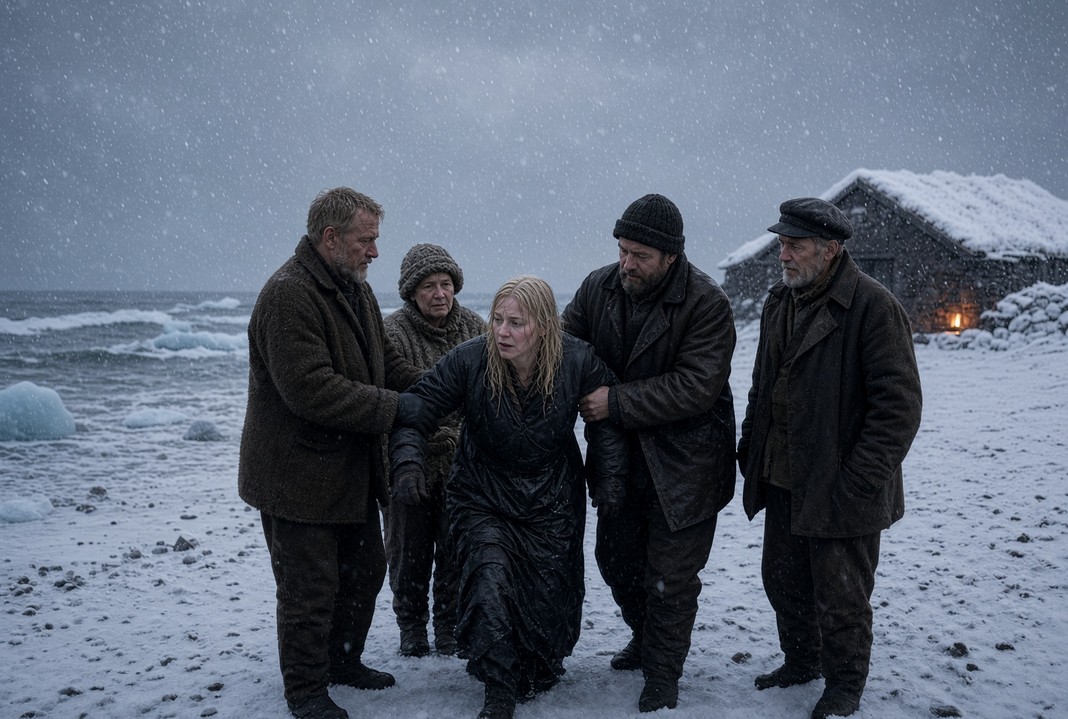
Arrival.
Emma washes ashore and is taken in. The kindness is too complete.
Ø · the island of the unknown
The real darkness in the Arctic is human.
The book
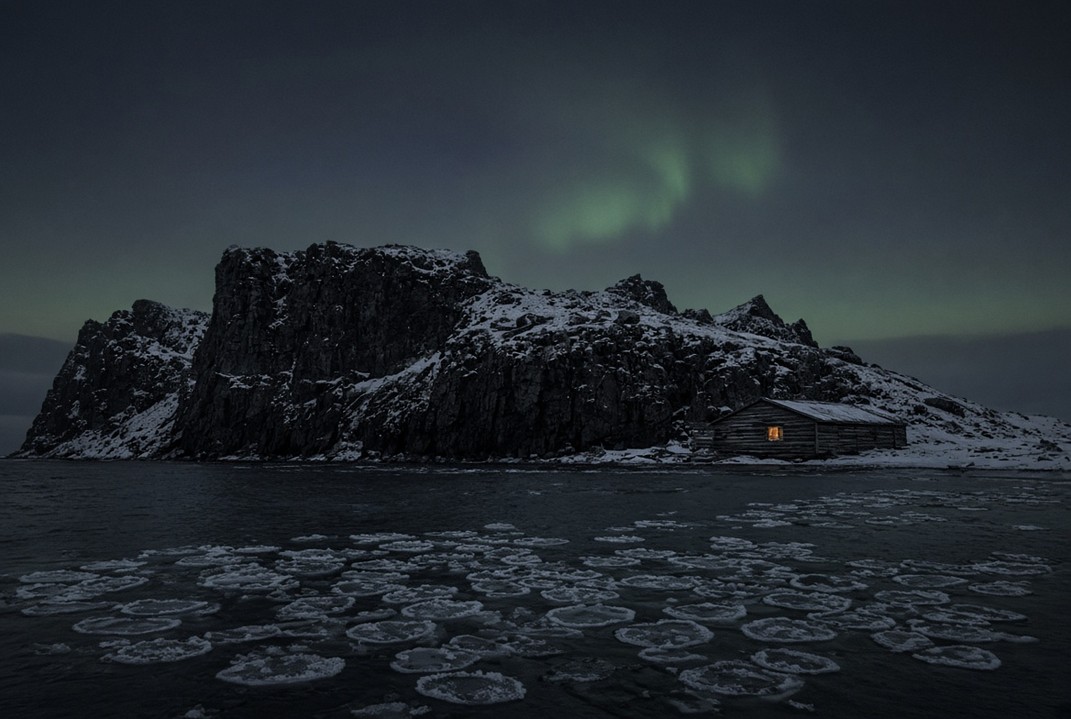
An island that is on no map. Seven people who share everything. One rule they keep when the sun goes out.
When Emma, a Danish zoologist searching for her missing husband, is thrown ashore on a nameless coal island between Greenland and Svalbard, its six inhabitants welcome her into a society with no money, no rulers and no kitchens. She has three days, until the polar night begins, to find work that only she can do. What she does not know is what the island does with strangers in December.
Arctic Utopia is a cold, exact story about a community that has survived by consuming the outsider, and about the warming sea that is coming to collect the debt.
Not the weather. Not the myth. The welcome.
Named Utopia after the old name was crossed out.
Why now
It is warming nearly four times faster than the rest of the planet. Readers want climate stories that are felt, not explained. No sea ice means no seals. No seals means hunger. The horror grows out of the water.
In Denmark and Greenland, colonial history, relocation and extraction are now a public conversation. The book takes that history personally: coal that left clean, and a name invented to lure people across the water.
Midsommar, The Terror and Smilla’s Sense of Snow showed the audience for isolated places and cold, patient dread. Arctic Utopia keeps the dread in the kindness.
What makes it different
The four chapters
Emma washes ashore and is taken in. The kindness is too complete.
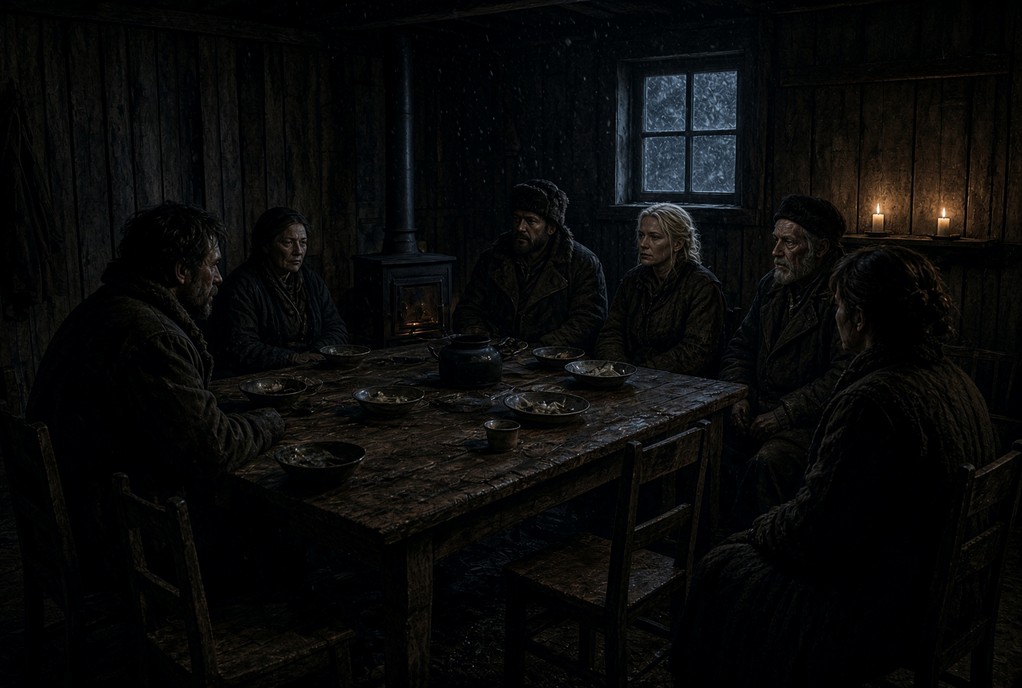
She finds her place by becoming what each of them craves. One table. No kitchen. Everything shared.
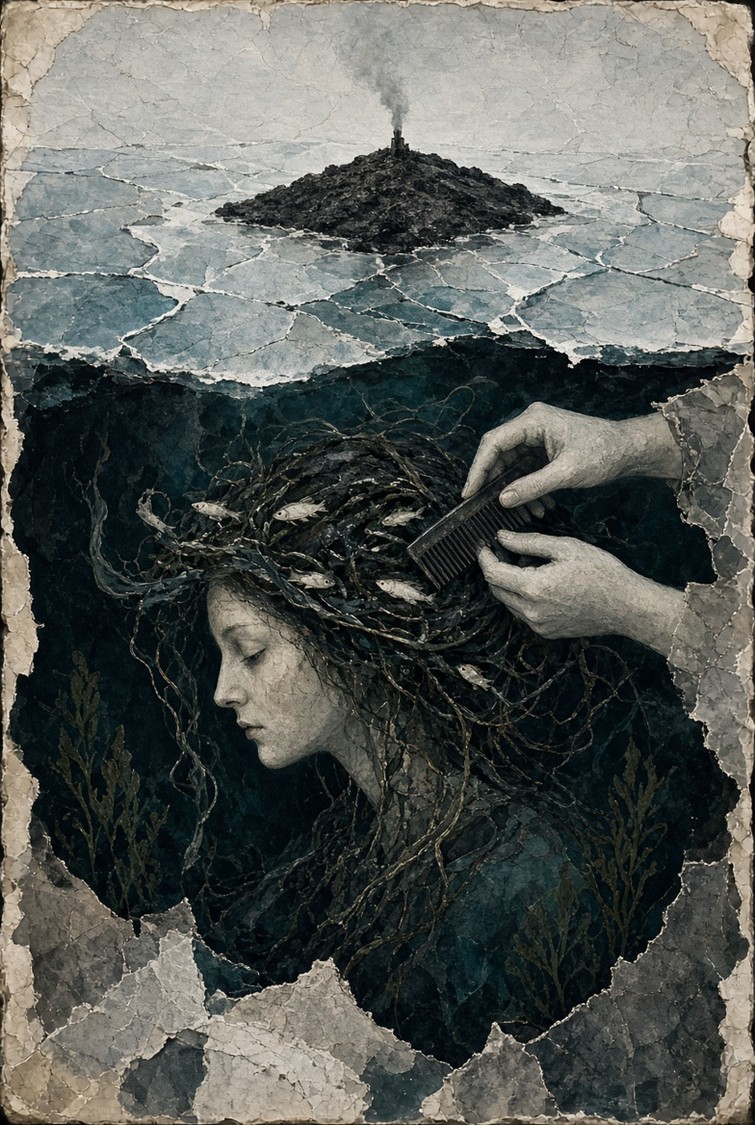
In the polar dark she learns what happened to her husband. Someone has to go down, and comb. Sedna’s story, not a costume.
A storm, a rising sea, and a community that will not leave. The sea comes to collect what the coal had borrowed.
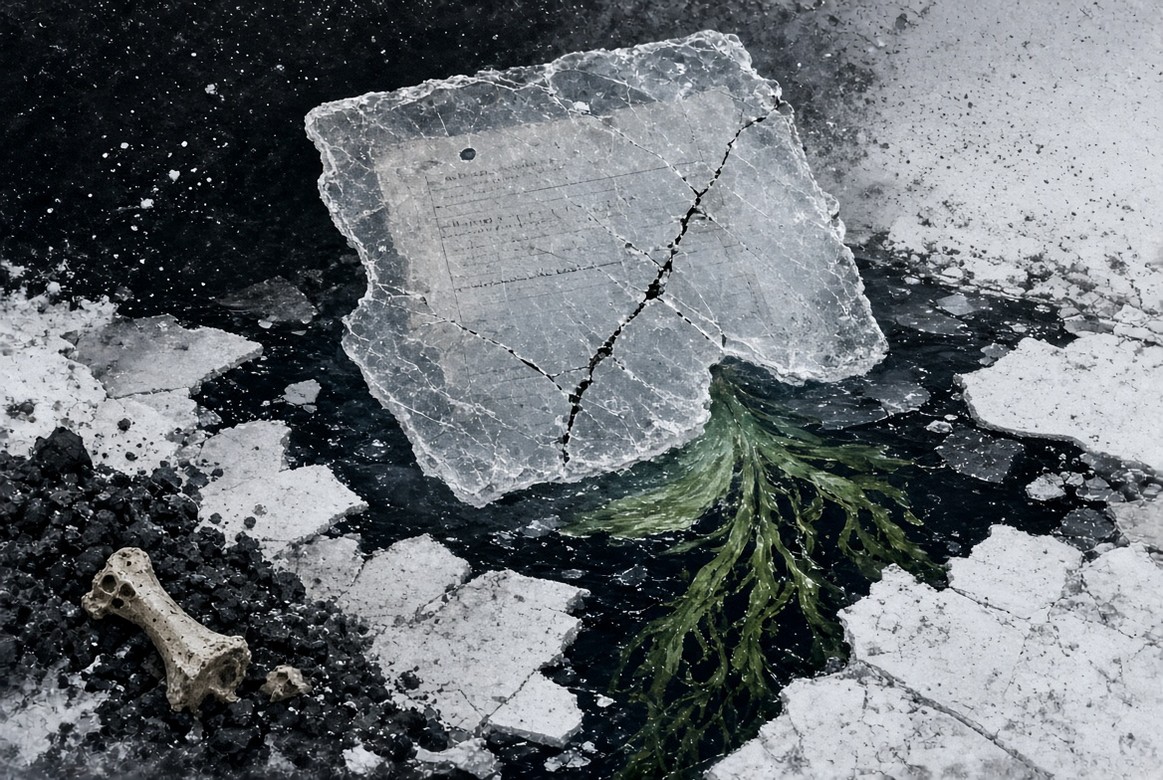
In the log, under Remarks, the second mate wrote: No land observed.
Audience
Adult readers of 25 to 55 who read literary horror, Nordic crime and climate fiction, along with book clubs and festival audiences drawn to politically alert fiction. Strong crossover for the Nordic, UK and international translation markets.
The author
Yu Ma is a writer and filmmaker trained in film and media studies at the University of Copenhagen. Arctic Utopia grew from conversations with friends who lived in Greenland, and from years of reading on the Arctic, its colonial history and its changing climate.
Opportunities
Seeking
For publication rights and copyright authorisation.
i@yumayu.comØ · the island of the unknown